Are Hair Supplements The Secret To Strong, Shiny Strands?

Our hair is our crowning glory — it gives us personality, style, and a sense of self-expression. It is an extension of ourselves, and healthy hair directly reflects a healthy body. Unfortunately, at some point, the amount of hair we have and the fullness of that mane starts to decrease.
It’s hard to define the exact moment when tresses begin to thin (it differs from one person to the next, and a slew of factors influence growth), but one thing is for certain: hair loss and thinning hair is on the rise. “We talk about so many issues as a society, but up until a few years ago, we were not open about hair loss,” says Sarah Fotis, co-founder and CEO of Collective Laboratories. “Thankfully, that is starting to change as both the industry and society normalize thinning hair and hair loss.”
Thinning hair can happen at any age. According to the American Academy of Dermatology (AAD), 80 million Americans (30 million women and 50 million men) experience hereditary hair loss. Research shows that 12 percent of women first develop clinically detectable female pattern hair loss by age 29, 25 percent by age 49, 41 percent by age 69, and over 50 percent have some effect by age 79. “Sadly, there is no one reason why someone loses their hair earlier than others,” explains Kerry E. Yates, trichologist and CEO of Colour Collective. “But we do know that lifestyle impacts the overall health of the hair.”
Hair loss and shedding can be brought on by a vast array of intrinsic and extrinsic factors, and it “tends to be a fear-based category,” Fotis laments. But thinning doesn’t have to bring on panic. We’ve covered surgical and non-surgical hair restoration solutions, but what about those hair health and hair growth supplements you see all over your social media feeds? Here’s a guide to everything you need to know.
How Hair Growth Changes Over Time
The visible symptoms of hair loss tend to manifest as a wider gap in the part, bald patches at the temples, a hairline that slithers away from the forehead, a lack of volume at the root, and/or excessive shedding after showering or brushing the hair. “A lot of women also talk about their shrinking ponytail, which is a change in the hair’s diameter,” says Debra Lin, PhD, the chief scientific officer at Better Not Younger.
The shrinkage tends to correspond to an uptick in grays. “This is also often accompanied by more gray hair and a drier scalp, which are sometimes the precursors to major changes in how the hair grows,” she explains. “As the hair follicles shrink, known as miniaturization, the hair grows out thinner and with less volume.” Plus, hair growth phases shorten with age, so locks that generally grow around one centimeter per month will still grow, albeit at a much slower rate.
Hair loss doesn’t happen overnight, even if it feels like it does. It's important to remember that some amount of shedding is perfectly normal. Howard Sobel, MD, a board certified dermatologist in New York City, says the average person loses 50 to 150 strands per day. It’s when it exceeds that level that you should take action. Hair growth changes are multifactorial. “For some, hair loss may be genetic or brought on by an underlying health condition. For others, it may be due to external factors such as stress or environment,” says Michele Green, MD, a board certified dermatologist in NYC. “There are also many people who experience hair loss simply as a result of growing older.”
Other common causes of thinning hair and temporary hair loss include:
- Stress: Perhaps the most significant contributor to hair changes, stress increases the amount of cortisol the body produces. Elevated cortisol levels affect the normal functions of the hair follicle. “When the body is stressed, it puts the hair follicles into a resting phase (a.k.a. the telogen phase) to conserve energy,” says Purvisha Patel, MD, a board certified dermatologist in Germantown, TN. “During the telogen phase, the follicular bulbs shrink, and as a result, the hair falls out and is replaced by new hair when the body is ready.” Remember, stress-related hair loss takes a few months to show up.
- COVID-19: Pandemic-related hair loss is two-fold. “First, the high-stress environment we are living in puts us under stress, and we know that stress negatively affects hair growth,” Fotis explains. “Second, hair loss is a side effect of COVID-19.” She says more and more people are sharing that they experienced hair loss after contracting the coronavirus.
- Hormones: Hormonal changes, be it from pregnancy, menopause, or medication, affect the amount of sebum the scalp produces. “Sebum is important for healthy, shiny, and smooth hair, as the oil nurtures, protects, and moisturizes the scalp and smooths out the hair’s cuticle,” Dr. Lin notes. “When hormones decrease sebum production, the hair can feel dry and brittle and become more fragile over time.”
- Unhealthy Scalp: You can’t have healthy hair without a healthy scalp. It’s important to regularly exfoliate the scalp to remove excess product, oil, and dead skin. When this buildup lingers, the follicles can become clogged and inflamed. A detoxifying wash, like the Sunday Riley Clean Rinse Clarifying Scalp Serum, can quickly and effectively purify.
- Vitamin Deficiency: When the body lacks any nutrient — zinc, iron, vitamin D, and selenium are common deficiencies related to hair loss — the body redirects those nutrients to other organs that need them more than the hair.
- Poor Diet: Restrictive diets can wreak havoc on your hair. “Aggressive diets can cause the body to shut down support for nonessential functions like hair growth,” Yates cautions. “The follicle then goes into the resting phase, causing an aggressive fall out with no new regrowth.”
- Autoimmune Conditions: Certain autoimmune diseases and disorders cause the immune system to attack a part of the body. In the case of hair loss, the condition affects the hair follicles, which leads to patchy hair loss. “If you think you are losing more than usual, make an appointment to see a dermatologist who can test for [these] conditions,” Dr. Sobel says.
- Environmental Factors: Pollution, toxins, smoke, smog, and even cigarettes can affect how the hair grows. The more toxins the scalp is exposed to, the more likely it is to lead to sensitivities and hair loss because the follicle itself becomes damaged.
How Hair Supplements Work
Whether it’s a capsule, powder, or liquid, hair growth supplements contain anti-inflammatory ingredients and nutrients that support healthy hair. Supplements provide hair follicles with the necessary vitamins, minerals, nutrients, and building blocks it needs for growth and functionality. Yates compares hair follicles to tiny engines that require fuel to work. “If you fail to feed the body the energy it needs, then the follicles will not operate,” she says. “In essence, supplements help give the body the missing nutrition typically received from eating a balanced diet. If the body is missing that nutrition, it shuts off non-essential organs like the hair follicles.”
Depending on the cause of your hair thinning, supplements may be an effective treatment option. “If a blood panel shows a diagnosis that is genetic hair loss or stress-induced hair loss, supplements can help regrow the follicles,” Dr. Visha says. “They can also slow the progress of genetic hair loss.”
FAQs: Hair Supplement Edition
When it comes to the hair supplement market, you’ve likely seen both grandiose growth claims and concerns about a lack of regulation. So, how can you make sense of what’s what? Below, we answer some of the most frequently asked hair supplement questions:
1. Do I Need A Hair Supplement?
The hair growth supplement industry is now a multi-billion dollar per year business with the promise of allowing you to reclaim the long-flowing strands of your youth. “The hair loss category has undergone a tremendous amount of innovation recently,” Fotis shares. “For the last 30 years, there was nothing new or even clean, so the advent of supplements that support healthy hair growth more naturally is a huge step.”
Part of this exponential growth is due to the fact that younger people are experiencing thinning and hair loss more today than ever before, partially due to the increase in autoimmune disorders and diseases, Ftois notes. And, even for those who aren’t experiencing evident changes to the hair growth process, thicker or longer hair is usually at the top of people’s wish lists and hair supplements can do the trick. Plenty of consumers choose to take supplements for preventative purposes or as part of their daily wellness routine.
Dr. Green advises anyone beginning to notice hair shedding or thinning to consult a doctor and have a full vitamin panel workup to determine if you are, in fact, deficient in vitamins, minerals, and nutrients. “It is vital to have a board certified dermatologist examine and diagnose the cause of your hair loss,” she says. “Once we know where the scarcity lies, we can develop a holistic approach to improving hair growth, and a good hair supplement usually is part of the protocol.”
It should be noted that the vitamin and supplement industry operates outside the purview of the United States Food and Drug Administration (FDA), which means any claims are not substantiated or subject to review. As such, trusting the brand you are purchasing from is key.
2. What Ingredients Should I Look For?
The ingredients in a supplement give way to its primary function, in turn, creating visible results. For example, while some supplements contain stress-reducing adaptogens to reduce stress-related changes, others are formulated with moisture-plumping vitamins and ingredients that decrease inflammation. A good, well-rounded supplement will include a hefty mixture of the ingredients listed below:
- Adaptogens: You’d be hard-pressed to find a hair supplement without an adaptogen (herbs that help control stress). Ashwagandha and saw palmetto extract are popular adaptogens that prevent stress-related hair loss and aid in mental clarity.
- Alphabet Vitamins: Vitamins A, B, C, D, and E should appear on the back of any supplement bottle. B vitamins help with new hair growth, and vitamin E helps reduce environmental damage. “Vitamin C, which is also an antioxidant, is important for keratin and collagen formation,” Dr. Visha shares. “Vitamin D deficiencies are common and a cause of hair loss, so this is important, too.”
- Biotin: Biotin works to help strengthen hair and prevents breakage at the root. While it may have a lot of name recognition, it’s not the end all be all. Just taking biotin isn’t enough to prompt healthy hair growth (unless you genuinely have a biotin deficiency, which most people do not). It works best when used in tandem with other hair-growing ingredients.
- Collagen: Collagen, which is necessary for healthy skin, contains amino acids that help increase elasticity and hydration in the scalp. The amino acids in collagen are indispensable for healthy hair and help to prevent free radical damage and miniaturization.
- DHT Blockers: Dihydrotestosterone (DHT) is a hormone derived from testosterone linked to balding, especially in men. Produced inside the hair follicles, DHT can be blocked at the site of production with the right ingredients, like green tea, rosemary, caffeine, saw palmetto, and pumpkin seed oil, as well as finasteride.
- Fatty Acids: Omega-3, -6, and -9 are critical fatty acids to incorporate into your diet and supplement routine for solid strands. They work to promote support at the cellular level. For better absorption, try taking your fatty acids and omegas with food. Omegas are also essential for nerve and muscle repair and function.
- Hyaluronic Acid (HA): Similar to how hyaluronic acid provides mobility, joint strength, and hydration to skin cells, when ingested, this naturally occurring molecule also helps to improve the health of the skin on the scalp.
- Keratin: Keratin is a naturally occurring protein in hair that adds strength and substance to weak and damaged hair while promoting growth. In supplements and treatments, it adds strength to weak and damaged locks while promoting stronger hair and growth.
- Minerals: Like vitamins, essential minerals such as iron, selenium, magnesium, and zinc are fundamental ingredients that should appear on your supplement ingredient list, too.
3. How Often Should I Take Them?
As with any beauty, skincare, or anti-aging routine, consistency is the name of the game. “I can’t stress enough the importance of regularly taking them,” Fotis says. “It’s not a magic pill.” The benefits of supplements are cumulative, so you need to take them as intended in order to see results. “You can’t take a supplement once or twice a week and expect to reap the benefits,” she notes. “The body needs a steady stream of the ingredients and nutrients for positive changes to take hold.”
Following the dosage instructions is essential, too. Overdoing it and loading up with double or triple the recommended daily dose won’t lead to better or faster results. Dr. Sobel notes that supplements work to fill in vitamin deficiencies we do not receive from our diet. “Taking more than the required dosage may not have any additional effect, or it can create an adverse effect or reaction,” he explains. “Adhere to the suggested dosages for optimum results.”
For example, he cautions against taking too much biotin, which can be linked to an increase in acne. “Excess biotin can decrease the amount of vitamin B5 — it helps protect the skin’s protective barrier and reduce acne — absorbed by the body,” he shares.
4. How Long Does It Take To See Results?
If you’re expecting to pop a few pills and wake up the following day with Rapunzel-like locks, we’re sorry to burst your bubble, but it’s not going to happen. Hair grows at an average rate of approximately 1.25 centimeters per month. Hair growth pills and supplements don’t physically speed up the growth rate but rather keep the hair in the growing phase longer. That is why you see increased length and fullness.
On average, most supplement brands advise giving the product at least three months to work. However, everyone’s hair is different, so you may need to wait a little longer to see the first signs of fringe. “On average, it can take up to six months to see results from a supplement,” Dr. Green says. “But it really depends on the type of hair loss, the severity of the condition, and the treatment.” And don’t overlook more discreet benefits. Even if a growth change isn’t noticeable right away, a decrease in shedding signifies that the supplement is working.
5. Will My Hair Stop Growing If I Stop Taking Them?
Hair growth supplements encourage healthy growth. When you stop ingesting the product, the results aren’t as noticeable. Fotis compares hair supplements to going to the gym. “Once you get in shape and see a change in your body, you need to keep it up,” she explains. The same is true of supplements. “Your hair will not stop growing right away, nor will it immediately return to its original state,” Fotis shares. “But, with time, it will revert.”
Additionally, as the body becomes accustomed to the nutritional support via a supplement, it will react once you stop taking it. “If you stop taking a supplement that is helping with hair loss, it will likely result again,” Dr. Visha says. “That is, unless the underlying reason is corrected.” It is that caveat that once again raises the importance of seeking a professional opinion. “This is why anyone concerned with hair loss and thinning hair needs a dermatologist to evaluate their situation,” she maintains.
The Best Over-the-Counter Hair Growth Supplements
Ready to add a hair supplement to your wellness routine? Below are some of the most efficacious over-the-counter options:
Collective Laboratories Revitalizing Supplements
 These individually wrapped supplements are a transparent dose of hair-helping ingredients, hence the multiple pills per pack. “Including single pills of each main hair health ingredient allows us to be as forthright as possible,” Fotis explains. “The supplement panel shows the concentration and dosage of each pill, so you know what you’re getting and how much you are consuming.” Inside, you’ll find omega-3, hyaluronic acid, ashwagandha, and biotin to kickstart the growth process, prevent hair breakage, and support the body’s stress response to limit shedding. $85 for a 30-day supply, collectivelabs.com
Nutrafol Women
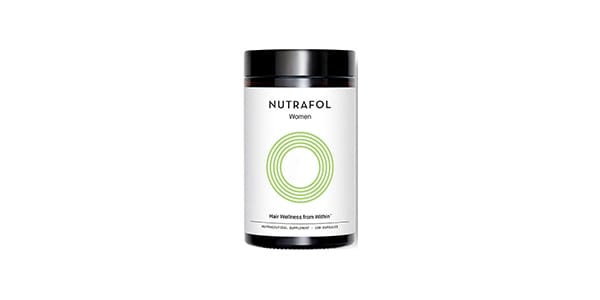 The OG of clinical hair supplements, Nutrafol addresses the underlying causes of thinning hair (like stress, poor nutrition, and environmental damage) for women and men. “Nutrafol contains a propriety blend of vitamins clinically proven to restore hair growth,” Dr. Green shares. “Plus, the vitamin- and nutrient-dense formulation includes key ingredients like saw palmetto, which prevents the conversion of the male androgen hormones into DHT.” That process is responsible for baldness. $88 for a 30-day supply, nutrafol.com
Viviscal Hair Growth Supplements
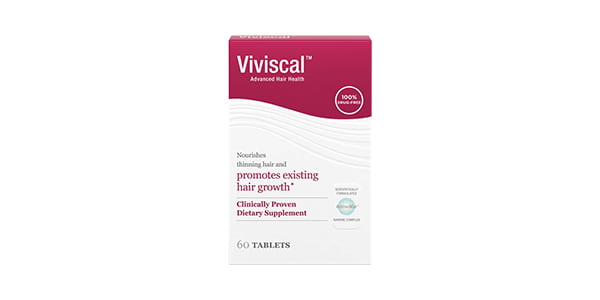 A favorite amongst celebrity hairstylists and their A-list clientele, this daily supplement targets the hair follicle and keeps it in the growing phase for longer than average. Dr. Green likes Viviscal because it contains “essential” nutrients like biotin, vitamin C, and B vitamins, in addition to “other proprietary vitamins that are clinically proven to thicken and help hair growth.” $50 for a 30-day supply, dermstore.com
Bondi Boost Hair Growth Support
 Australian hair care brand Bondi Boost has fast made a name for itself on Instagram with its Wave Wand styling tool and age-defying shampoos and conditioners. So, it’s only natural that a hair supplement is part of the mix. This bestseller features a vegan formulation that’s rich with biotin, vitamins B6, B12, C, and E, folic acid, and zinc and is perfect for anyone seeking a little extra strand support (even if you’re not experiencing shedding or hair loss). $24 for a 30-day supply, bondiboost.com
Hush & Hush DeeplyRooted
 While it may seem like a lot to down four pills daily, it’s not too bad if the results outweigh the action. Suitable for men and women experiencing temporary hair loss, this supplement contains an impressive list of proven hair allies, like resveratrol, fish-derived collagen, amino acids, hyaluronic acid, fruit, and botanical extracts. In addition to hair growth, expect an increase in volume and shine. $75 for a 30-day supply, hushandhush.com
Serovital Hair Regeneres Softgels Supplements
 An easy-to-swallow pill that grows hair and maintains natural hair color? Sign us up. These do-it-all supplements combat shedding, strengthen hair, and even work to regrow lashes and brows. Plus, the niacin-, vitamin B6-, zinc-, and keratin peptide-rich formula includes a proprietary color-enhancing technology to fight against age-related shade changes. $39 for a 30-day supply, serovital.com
GrandeGUMMIES Vegan Collagen Booster
 You know and love GrandeCosmetics for their award-winning GrandeLash-MD Lash Enhancing Serum, and now the brand is setting its sights on hair regrowth at the scalp. These heart-shaped gummies feature a vegan collagen blend of grape seed and alma extract, L-lysine, and L-proline, plus vitamins, antioxidants, biotin, zinc, folic acid, and amino acids to promote stronger, healthier strands. According to the brand, you can expect a better-looking ’do in three months. $30 for a 30-day supply, grandecosmetics.com
Fable & Mane Tiger Tea
 Not every hair growth solution comes in the form of a pill or gummy. Teas can be effective, too. This one boasts a delicious blend of turmeric, ashwagandha, zinc, biotin, and vitamin B12 that together create the perfect breeding ground for healthy, longer hair. We also love the nod to the founders’ grandmother’s Golden Milk recipe, which serves as the basis for this tea. $12 for 6 servings, fableandmane.com
Better Not Younger Significant Other Supplements
 From the first hair care line created for women over the age of 40, these vitamin A- and biotin-rich gummies help support healthier-looking hair. For maximum results, Dr. Lin advises coupling the strawberry-flavored, sugar-free gummies with the lightweight Superpower Hair and Scalp Liquid Serum & Comb Set, which features a massaging comb that pushes the serum further into the scalp for a relaxing and regenerating treatment. “It’s a combination of internal and external treatment, which is beneficial for the hair,” she says. $25 for a 30-day supply, sephora.com
When Hair Supplements Aren’t Enough
Not everyone positively responds to an over-the-counter supplement. In fact, some say they don’t work at all. There are instances where something more potent is necessary, especially if the hair loss is not temporary or is alopecia areata (patchy baldness). “In addition to supplements, prescription medications can aid in hair growth,” Dr. Green says. As she explains, finasteride (a.k.a. Propecia), for example, treats androgenetic alopecia (male- and female-patterned baldness) by lowering DHT levels in the scalp and promoting new hair growth.
Some doctors prescribe spironolactone to women with androgenetic alopecia. “Spironolactone is for women with hair loss due to hormonal imbalance,” Dr. Green shares. “It works by obstructing androgen (male hormone receptors), which control DHT and testosterone levels, both of which can lead to different degrees of hair thinning or permanent hair loss.”
Dermatologists may also recommend supplements in conjunction with in-office treatments like platelet-rich plasma (PRP) to enhance the results. “With moderate to severe cases that are unresponsive to supplements or topical treatments, men and women can consider PRP treatments,” Dr. Sobel says. “The treatment uses a concentrated solution containing a high volume of platelets (key to the body’s natural healing and regeneration abilities) to stimulate the cells to regenerate and promote hair growth.” For the uninitiated, a small amount of blood is drawn and spun at high speeds to extract plasma from other blood cells. It is then injected into the scalp, releasing platelets into the affected areas.
The Takeaway
Hair loss is stressful, and stress can cause and/or exacerbate hair loss. That’s the catch-22 of dealing with shedding strands. “It can be disheartening to start losing hair suddenly, but there are many treatment options to combat hair loss and regrow hair,” Dr. Green shares. Hair supplements can be an effective solution, but swiftly seeking professional help is often the key to getting things under control. As Dr. Green says, “quickly starting treatment will minimize the overall impact of hair loss and give your hair a better chance of growing back.”
All products featured are independently selected by our editors, however, AEDIT may receive a commission on items purchased through our links.
Discover science-backed solutions from AEDIT Medshop
We’ve taken out the guesswork so you can shop with confidence, knowing you’re choosing what’s right for you.