9 Peptide-Powered Skincare Products For Younger-Looking Skin

When it comes to age-defying superstars, retinol gets the lion’s share of attention — but the vitamin A derivative isn’t the only active ingredient that can turn back the clock on your complexion. Peptides are strings of amino acids that give the skin some, well, pep by promoting collagen and elastin production with little to no irritation. Oh, and they pair well with other ingredients. Intrigued? Read on to see exactly how to incorporate peptides into your anti-aging skincare routine.
How Do Peptides Work?
In simplest terms, peptides are a sequence of amino acids, and amino acids are the building blocks of proteins. Joshua Zeichner, MD, a board certified dermatologist in New York City, likens them to “your body's postal service.” Essentially, they act as messengers, telling the skin to do certain jobs.
There are four key types of peptides:
- Signal Peptides: Most commonly found in topical skincare products, they communicate to the skin and help promote specific activities, like the production of collagen.
- Carrier Peptides: These folks are the transporters — delivering ingredients where they need to go in order to be effective.
- Neurotransmitter-Inhibiting Peptides: These peptides prevent nerve signals from being sent to muscles and glands. Sound familiar? It’s how neurotoxins, like Botox®, work.
- Enzyme-Inhibiting Peptides: By balancing the effects of enzymes in our skin, these peptides can slow the breakdown of collagen and elastin. “Think of them like the keepers of the peace,” Dr. Zeichner says.
“Our body produces peptides naturally, but they can also be added to the body via certain medications, skincare, and supplements,” notes Corey L. Hartman, MD, a board certified dermatologist in Birmingham, AL. That explains why you’ll find them on many skincare ingredient lists. “Biosynthetic peptides that are used in cosmetics can stimulate collagen and elastin synthesis and improve skin healing and regeneration,” explains Julie Russak, MD, a board certified dermatologist in NYC. “They signal messages to different parts of the skin to stimulate fibroblasts to promote collagen, elastin, and other proteins.”
The Anti-Aging Benefits of Peptides
Because peptides help with collagen production, they’re a key ingredient in the realm of age-defying topicals. “Peptides are a powerful skincare ingredient that firms the skin and promotes collagen and elastin formation,” Dr. Russak shares. “Common areas to use these products are anywhere there is facial expression, such as the glabellar frown lines, crow’s feet, under eyes, bunny nose lines, nasolabial laugh lines, lip lines, and the marionette lines.”

Vitamin A derivatives (read: retinoids and retinol) often take center stage when talking about anti-aging skincare routines, but peptides deserve to be a part of the conversation. According to Dr. Hartman, however, it’s not peptides or retinol so much as peptides and retinol — and Dr. Russak agrees. “Peptides are a great anti-aging ingredient, though not necessarily an alternative to retinol,” she notes.
Peptides and retinol are not really comparable. While “retinols and retinoids directly influence cell growth and differentiation and, therefore, help to reverse the results of intrinsic and extrinsic aging, as well as photoaging,” peptides “have multiple different functions — from serving as signaling molecules to enzyme production to hormonal actions and improved collagen production,” Dr. Russak explains.
That said, peptides don’t come with the same sensitivity issues that retinol does. “The advantage of peptides is that they can be used across all skin types, including sensitive skin,” Dr. Zeichner says. “So, they are often used as an alternative when patients cannot tolerate retinol or hydroxy acids.” For those who don’t have sensitive skin, these two ingredients can make for a perfect pair. “I do recommend using peptides with a retinol – either in the same product or using a peptide product and a retinol product at night in the same routine,” Dr. Hartman shares.
As he explains, mixing retinol and peptides is a great way to improve the texture, tone, and firmness of the skin. “You get the collagen-building benefit from the peptides, plus the exfoliation benefits from the retinol for smoother, more even-toned skin,” Dr. Hartman says. “There’s also anecdotal evidence to suggest that since a retinol is exfoliating, it may enable peptides to go deeper into the skin to be more effective.” This is especially important since effectively delivering peptides into the dermis can be a challenge. “The biggest hurdle to using peptides is penetration,” Dr. Russak says. “In order for this molecule to work, they need to get through the top layer of the skin and get down to the active layers.”
All of our experts agree that peptides, like retinol, are best introduced in one’s late twenties or early thirties when collagen production begins to slow down. The best way to maximize their benefits is to incorporate them into a larger routine. “Use peptides with other anti-aging powerhouse ingredients for the best results,” Dr. Russak says. “To support various skin structures, use peptides to boost collagen, retinol for the regeneration of cells, and vitamin C for antioxidant benefits.”
The Best Peptide-Powered Skincare
If you’re ready to welcome peptides into your skincare routine, here are a few products to start with:
For Botox in a Bottle: Revision Skincare Revox 7
 Dr. Russak is a fan of this smoothing serum, which is formulated with seven different types of peptides and clinically proven to help reduce the appearance of expression lines around the eyes, forehead, and mouth. “[It] also firms, tightens and tones, restoring a softer, more youthful look,” she says. $130, dermstore.com
For Face & Neck: Theraderm Eternox Peptide Crème
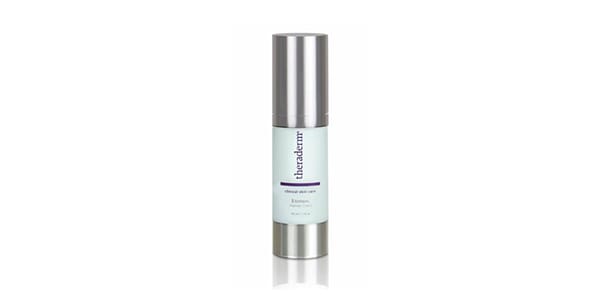 Formulated with the brand's patented soluble keratin peptides, this lightweight cream developed by board certified plastic surgeon James Beckman, MD, addresses fine lines, wrinkles, and laxity on both the face and neck. $100, theraderm.net
For Banishing Breakouts: Peter Thomas Roth Goodbye Acne Complete Acne Treatment Gel
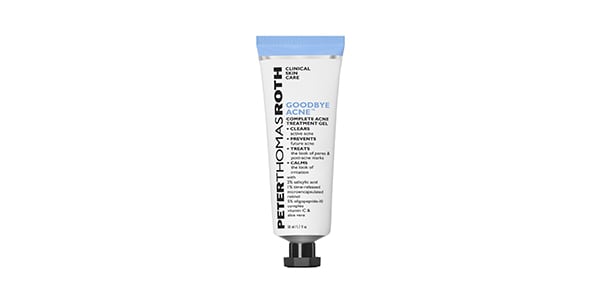 Thanks to a multifaceted blend of salicylic acid, time-released retinol, vitamin C, aloe vera, pantothenic acid, and a oligopeptide-10 complex, this lightweight gel can treat everything from active acne to acne-induced post-inflammatory hyperpigmentation (PIH). $42, sephora.com
For Beauty Sleep: Olay Regenerist Retinol24 Night Serum
 If you are looking for a wallet-friendly P.M. formula, this serum makes it easy to enjoy the benefits of multiple anti-aging powerhouse ingredients — retinol, peptides, and niacinamide — at once. Basically, it’s the definition of beauty sleep. $39, olay.com
For Post-Procedure Skin: 111Skin NAC Y2 Recovery Mask
 Perfect post-procedure or any time your complexion feels sensitive, this skin barrier-building mask blends smoothing, hydrating, and free radical-fighting peptides (silk amino and biomimetic, to be exact) with soothing ceramides and taxman pepper extract. $150, 111skin.com
For Hydration: Exuviance AGE REVERSE Rebuild-5 Cream
 This powerful moisturizer complements and supports the body’s natural collagen, elastin, and hyaluronic acid production. It features MicroDiPeptide 229, a dermatologist-developed peptide that is optimized to penetrate the skin’s surface. $88, ulta.com
For Multitasking: Allies of Skin Peptides & Antioxidants Firming Daily Treatment
 This potent leave-on treatment pairs multiple peptides with antioxidants (including vitamin C) and ceramides to hydrate, repair, brighten, and tighten skin. $109, dermstore.com
For Plumpness: Drunk Elephant Protini Polypeptide Moisturizer
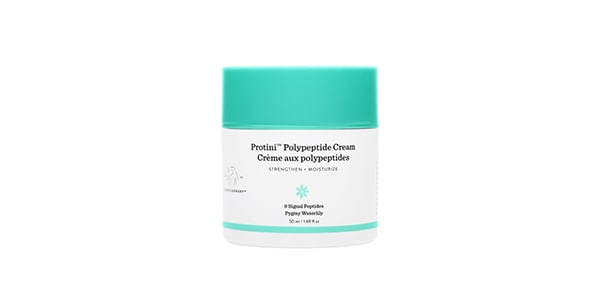 A complex of nine signal peptides works together with pygmy water lily stem cell extract and soybean folic acid ferment to plump and firm skin in this popular moisturizer. It’s a good choice for all skin types and helps improve texture and tone concerns, too. $68, sephora.com
For More Youthful Skin: One Skin OS1 Topical Supplement
 Featuring a proprietary peptide developed by a women-led team of PhDs, this treatment works on both the epidermis and dermis to target the root causes of aging on a molecular level for lasting results. Think of it as the topical equivalent of your favorite vitamins and supplements. $120, oneskin.co
All products featured are independently selected by our editors, however, AEDIT may receive a commission on items purchased through our links.
Discover science-backed solutions from AEDIT Medshop
We’ve taken out the guesswork so you can shop with confidence, knowing you’re choosing what’s right for you.